Projects to close critical Scripture gaps and accelerate access by 2033
Click a language below to understand the need or to give
Most Urgent Needs
Wassa/Wasa
Project: New Testament
Country: Ghana
Gbagyi
Project: Full Bible
Country: Nigeria
Punjabi, Eastern
Project: Full Bible
Country: India
Last updated: June 2026
Explore Projects By Region
Africa
Asia
Pacific
Making God's Word Accessible To All People By 2033
We are an alliance of Bible translation partners and resource partners working together to eradicate Bible poverty in this generation.
All Projects
Eastern Balochi
Project: Full Bible
Country: Pakistan
Gayo
Project: New Testament
Country: Indonesia
Gbagyi
Project: Full Bible
Country: Nigeria
Javanese
Project: Full Bible
Country: Indonesia
Kangean
Project: New Testament
Country: Indonesia
Mahle
Project: New Testament
Country: India
Muong
Project: New Testament
Country: Vietnam
Omani Arabic
Project: Full Bible
Country: Oman
Punjabi, Eastern
Project: Full Bible
Country: India
Wassa/Wasa
Project: New Testament
Country: Ghana
Our Partners
WASSA/WASA
Goal: New Testament
Ghana | Africa
Speaking Population: 273,000
The Wassa (also called Wasa or Wasaw) are an Akan ethnic group living mainly in the Western Region of Ghana, where they are known for their gold resources and farming traditions. They speak Wasa, a language closely related to Akan, which is shared by about 273,000 people in southwestern Ghana and a small number in Ivory Coast. Though outside influences have touched their culture over the years, the Wassa have held onto their language and heritage across their communities.
Project Timeline: 2023-2028
Current Annual Need: $136,812 Total Project Need: $766,687
With a population of approximately 15 million people, the Gbagyi — also known as Gbari or Agbagyi — are one of Central Nigeria’s largest ethnic groups. The Gbagyi people live across several states in Nigeria, including Niger, Kaduna, Plateau, and the Federal Capital Territory. While Gbagyi in urban centers have embraced modern life, the vast majority are mainly farmers who grow yam and grain, and most live in rural areas with limited access to roads, schools, and health care.
Project Timeline: 2022-2030
Current Annual Need: $130,586 Total Project Need: $1,245,640
The Eastern Punjabi people live mainly in the Indian state of Punjab, where farming and tight-knit village communities shape daily life. Families are central to their culture, which is known for vibrant festivals, lively music and dance, and hearty foods such as lentils, flatbreads, and dairy dishes. Most people practice Sikhism or Hinduism, and sacred sites like the Golden Temple in Amritsar draw visitors from around the world. Their language, Eastern Punjabi, is spoken in several local dialects and written in the Gurmukhi script, and it flows through everyday conversation, folk songs, and storytelling.
Project Timeline: 2020-2026
Current Annual Need: $119,701 Total Project Need: $262,781
The Eastern Baloch are a tribal people living mainly in eastern Balochistan, Pakistan, with roots tracing back to ancient Iranian peoples who migrated to the region centuries ago. They speak Eastern Balochi, a dialect of the Balochi language related to Persian and Kurdish, and most practice Sunni Islam woven together with strong tribal customs around honor and hospitality. Traditionally semi-nomadic herders, many Eastern Baloch have settled in towns and villages while still holding tightly to their tribal identities and clan loyalties.
Project Timeline: 2023-2027
Current Annual Need: $242,398 Total Project Need: $939,398
The Gayo people of Indonesia live in the cool mountain highlands of Aceh Province on the island of Sumatra, They speak the Gayo language and pass down many of their stories and songs through oral traditions like poetry and music. Deep sorrow shapes much of their culture; even their weddings are filled with weeping, and high suicide rates reflect a community-wide sense of hopelessness. Nearly all Gayo people follow Islam and have little to no access to the hope found in the gospel.
Project Timeline: 2023-2027
Current Annual Need: $209,190 Total Project Need: $420,000
The Javanese are the largest ethnic group in Indonesia, mainly living on the island of Java in Southeast Asia, where rich volcanic soil makes rice farming a way of life. Their culture is known for valuing harmony and respect, with traditional arts like batik cloth, shadow puppet theater, and gamelan music still playing an important role today. Most Javanese practice Sunni Islam, though many also blend their faith with older local beliefs.
Project Timeline: 2022-2026
Current Annual Need: $259,399 Total Project Need: $403,627
The Kangean people are an Austronesian group native to the Kangean Islands, a cluster of around 60 islands north of Bali administered as part of East Java. They are known for their friendly, cooperative culture built around fishing, farming, and seafaring, with communal traditions of shared labor and hospitality at the heart of village life. Most are Sunni Muslims, though local beliefs in spirits and protective rituals blend with Islamic practice in ways that reflect the islands’ distinct coastal heritage. Their language, Kangean, is the language of home and village life, used alongside Indonesian and sometimes Madurese in this multilingual island setting.
Project Timeline: 2023-2029
Current Annual Need: $181,376 Total Project Need: $418,624
The Mahle (also spelled Mahli or Mahali) are a small Indigenous people group living mainly in the eastern Indian states of Jharkhand, Odisha, and West Bengal, as well as parts of Bangladesh. They are known for their skilled bamboo craftsmanship and speak the Mahali language, part of the Munda language family, alongside regional languages like Odia, Bengali, and Hindi. Recognized by the Indian government as a Scheduled Tribe, the Mahle receive certain legal protections due to the social and economic hardships they have historically faced.
Project Timeline: 2020-2027
Current Annual Need: $87,674 Total Project Need: $416,362
The Muong people live in the mountains of north central Vietnam, where they have kept their unique culture and language for centuries. Their small villages of 10 to 25 stilt-built homes center around rice farming, fishing, hunting, and handcrafts. The Muong practice animism and ancestor worship, and have little to no access to the gospel.
Project Timeline: 2021-2028
Current Annual Need: $89,926 Total Project Need: $420,000
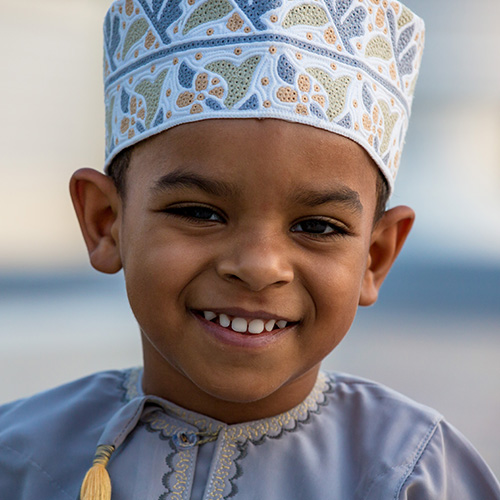
Omani Arabs are the native Arab people of Oman, shaped by centuries of sea trade and desert life. Most follow Ibadi Islam, a unique branch of the faith different from Sunni and Shia, and are known for their warm hospitality and respect for others. Their distinct form of Arabic, called Omani Arabic, reflects a rich history of contact with peoples from East Africa, India, and beyond.
Project Timeline: 2023-2027
Current Annual Need: $341,524 Total Project Need: $263,519